| |
|
|
| |
.In early June, the female ruby-throated
hummingbird lays her two pea-sized eggs. Occasionally,
she will lay only one egg. The male does not participate in
nest-building, incubation, or caring for the young. The chicks
hatch after approximately 11 to 14 days and fledge about 18
to 22 days after hatching.
|
|
| |
|
|
| |
Beginning around the first or second week of June, fireflies
("lightning bugs") can be seen after dusk. One
reason fireflies flash is to attract mates. Each species of
fireflies has its own pattern of flashing - which helps them
find a mate of their own species. Some think that fireflies
may also flash in order to warn predators away. Fireflies
have a chemical in their bodies that has a bad taste for some
predators. Potential predators could associate the flashing
with a previous unpleasant meal, and thus stay away.
|
|
| |
|
|
| |
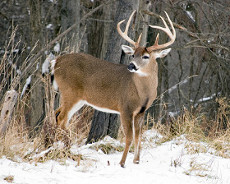
Early June is the peak birthing time for white-tailed
deer. Some fawns are born much later in the summer, but
those fawns have less time to mature and put on weight before
winter - and so have less chance to survive. |
|
| |
|
|
| |
The young of many bird species will fledge during the early
summer period. The first brood of the Eastern
phoebe leaves the nest in early June. The female
will begin laying eggs for the second brood within a week
or less, while the male feeds the young fledglings.
|
|
| |
|
|
| |
Sometime in June, coyote pups and
young woodchucks will emerge from
their dens. Red foxes can been seen
during daylight hours with their young kits.
|
|
| |
|
|
| |
Usually by mid-June or earlier, the monarch butterflies have
completed their migration north. The migrating females
lay their eggs on milkweed plants along their migration path. These
eggs hatch into caterpillars and later metamorphose into the
adult monarchs that complete the migration.
|
|
| |
|
|
| |
Cedar waxwings
nest later than most birds - usually in the second half of June. Their
nestlings subsist mainly on berries and the fruits of trees
- which don't ripen until late June or July. It is thought
that this may be the reason for the late nesting of the cedar
waxwings. |
|
| |
|
|
| |
American goldfinches
are also among the late nesters - typically in late June or
early July. The female often uses thistle down to line
her nest, so you'll know the goldfinches are nesting when you
see the thistle has gone to seed. |
|
| |
|
|
| |
The peak mating season for the black
bear is around the third week in June. Female black
bears usually breed only every other year, so her cubs remain
with her for a year and half. As mating season approaches,
females with yearling cubs will send them off on their own.
Females with young cubs (born in February) will not breed that
year. |
|
| |
|
|
| |
|
|
| |
Note: The "early summer"
period is the time from approximately June 1st thru the mid-July. Timing
of events will vary depending upon your latitude and elevation. |
|
| |
|
|
| |
|
|
| |
Seasons
of Nature in New England Archives |
|
| |
|
|
| |
|
|